
David Neddam
- Experts
-
Nov 06
- Share post
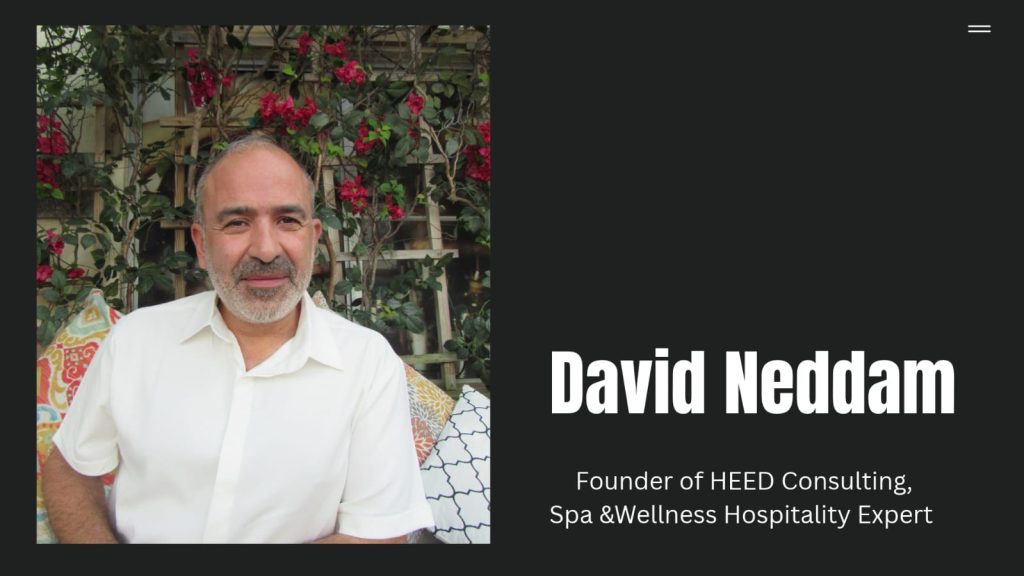
From a Dream to a Successful Wellness Business
“The success of a spa is not measured by its luxury facilities alone, but by the quality of its services, professionalism, and the experience it creates for every guest.” — David Neddam, Founder of HEED Consulting
1. Your professional journey
Could you share your journey from physiotherapy into spa management and wellness hospitality? What inspired you to build a career in this industry?
David Neddam: I practiced as a physiotherapist in France for eighteen years, opened two practices, in Paris and Normandy, and ran two teams in two cities at the same time. In 2014 I bought a small spa in Miami Beach: three treatment rooms, an existing team, loyal clients. I soon saw that I had bought a place and a client list, but not a shared way of working. One morning I replaced a therapist on a duo massage. Afterwards the husband said I had found every place that hurt. His wife said: "Was okay." Same price, same hour, same room. Rebuilding that way of working, detail by detail, became the first HEED Spa in 2016. In 2018 I founded HEED Spa, HEED Beach and HEED Event in Hallandale Beach. What drew me in never changed: paying attention to the person in front of you. "Heed" means exactly that. This year I founded HEED Consulting to bring that experience to other businesses.
2. Starting a wellness business
For someone dreaming of opening a wellness resort, spa, or retreat, what are the first three things they should consider before investing their money?
David Neddam: First, know the trade. Nobody becomes a spa owner by improvising. Second, start with advice from competent people who have real experience. It has a cost, but it avoids many mistakes, and in my experience it pays for itself quickly. Third, get the balance right between treatments, amenities and product sales.
3. Choosing the right location
How important is location when establishing a wellness business? What should new entrepreneurs look for when choosing a property or destination?
David Neddam: A wellness center is an experience, so the place must tell a story, or be the story. The experience can start with the surroundings: a thermal spring nearby, a beach. My Hallandale spa sits in a beach club, and the visit begins before the treatment. Or choose the opposite: become part of people's routine. A good small spa in the middle of a mall makes a treatment part of daily life. Either way, know which one you are building: the complete experience, or the routine.
4. Understanding the market
How can a new entrepreneur identify the right target customers and understand what they are willing to pay for a wellness experience?
David Neddam: It depends on where you are. For a street spa, look at your neighbors: in the United States, you can easily find the average income of an area. In a hotel, stay consistent with the hotel's category and its complimentary amenities. Above all, adapt as the market moves, for example between low and high season. The right price is not fixed once and for all.
5. Investment and financial planning
What are the major costs involved in establishing a spa or wellness resort? How can entrepreneurs plan their budgets realistically and avoid unnecessary expenses?
David Neddam: Creating a spa is a question of concept before it is a question of budget. The major costs are the space and its construction, treatment rooms and equipment, amenities, licenses, first stock, training the team before opening, the launch, and enough cash for the first months. To plan realistically, define the concept first: which experience, for whom, in how much space. Then every amenity has to earn its place. This is what concept and development work is for, before the money is spent: changing a plan on paper costs far less than rebuilding a wall.
6. Creating a unique experience
In a competitive hospitality market, how can a new wellness business differentiate itself from established resorts and spas?
David Neddam: You can always chase treatments imported from here or there, and a menu full of names that make people dream. But the real success of a spa lies elsewhere: a high rate of returning guests, and Tuesdays as full as weekends. Over time, it is the quality and professionalism of the service that make a place succeed: precise technique, in a very welcoming setting.
7. Building the right team
What kind of professionals should a new wellness entrepreneur hire first? How can a small team deliver excellent guest experiences without excessive operating costs?
David Neddam: Start with therapists you take the time to train, and with a front desk person who makes the guest's experience begin with the booking call and last until "see you next week." I have trained more than a hundred therapists, and I do not try to teach excellence as such. I help them understand why the work has meaning and why a guest asks for this or that. A small team can do excellent work with a few clear priorities, when everyone knows who decides what.
8. Common mistakes to avoid
From your experience, what are the most common mistakes first-time wellness entrepreneurs make, and what practical steps can they take to avoid them?
David Neddam: The first mistake is not learning to be a good conductor yourself. The second is not assessing the market properly. The third is forgetting serenity: in a spa, everything has to flow, and that is not the easiest part. To avoid them, follow the eight steps I work with: Observe, Question, Identify, Realise, Accept, Stretch, Strengthen, Anchor.
9. Marketing and attracting guests
How can a newly established wellness resort or spa attract its first customers and build a strong reputation without spending a large amount on marketing?
David Neddam: For a day spa above all, the first guests depend on what you do before opening: take the time to build a well-trained team, where everyone knows their role, the techniques and the values to convey. Your first five-star reviews cost nothing, and they will always be the best ambassadors for your center. In my case, the four hotels around my spa send us their guests: start with your neighbors.
10. Managing operations successfully
What are the essential operational systems and standards that entrepreneurs should establish before welcoming their first guests?
David Neddam: Before the first guest, decide the details: how the phone is answered, the welcome, the questions asked before a treatment, room temperature, music, products, how a treatment is presented, what a guest sees on the way out. Have your licenses and hygiene in order. Decide who does what. Write it down, then keep it alive.
11. Turning a passion into a profitable business
Many people enter the wellness industry because of their passion for health and wellbeing. How can they balance their passion with the financial and business realities of running a successful enterprise?
David Neddam: If it comes down to passion alone, start as a massage therapist or an esthetician. Train your hands and learn the contact with guests. Then climb the management ladder, until you can cover most of the trade. If you still want to be an entrepreneur, open a spa. An average day spa in the United States needs more clients every day than most people imagine, seven days a week, just to break even, before the owner takes a salary.
12. Your advice to aspiring entrepreneurs
If someone is planning to open a wellness business within the next year, what three practical steps would you recommend they take today?
David Neddam: Once the market has been properly assessed, you know every aspect of the trade and your strategy is set: first, train the team with a real protocol, and make sure they understand why each step is there. Second, offer a clear menu of services that is easy to identify. Third, start with a well-targeted neighborhood campaign.
13. A final message to our readers
What message would you like to share with people who dream of establishing their own wellness business but are hesitant to take the first step?
David Neddam: Hesitating is not a weakness. It is often the moment to look more closely. It can help to consult professionals who can guide you and tell you what your project has, and what it is missing. That is how we work at HEED Consulting: everything starts with a simple conversation, and this first step is free. https://heedconsult.com/start-a-conversation/
David, thank you for sharing your valuable professional experience and practical insights. We hope your advice will inspire aspiring entrepreneurs to build successful, sustainable, and guest-focused wellness businesses.
