
Anil G Nair
- Experts
-
Jan 07
- Share post
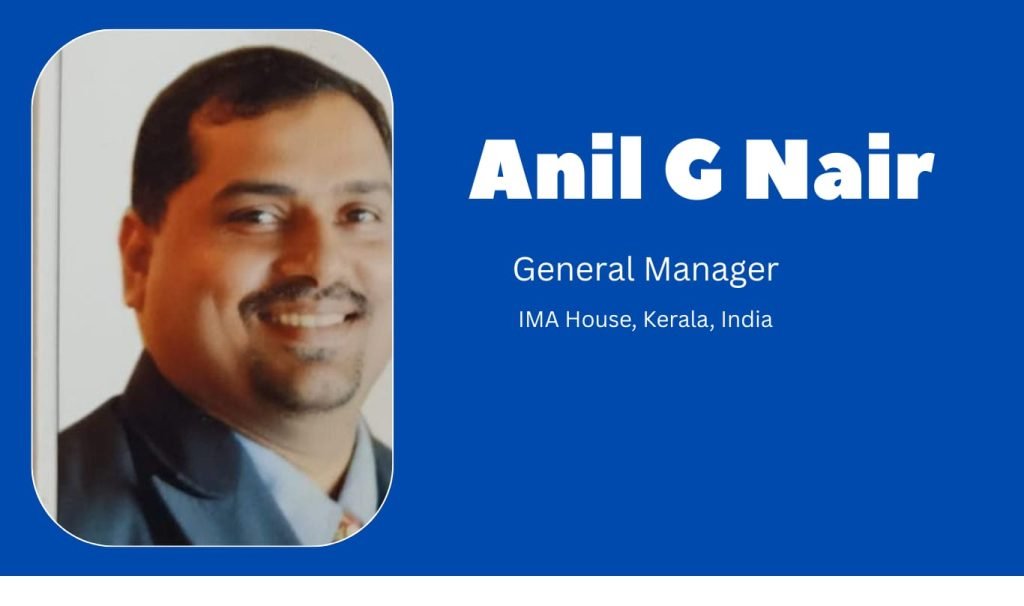
A seasoned hospitality expert with decades of industry experience, He believes true leadership begins with service. Guided by the principles of servant leadership, he strives to create purpose driven workplaces where people come first. His passion lies in nurturing talent, empowering teams, and unlocking human potential to achieve exceptional guest experiences. With a people centric approach and a commitment to continuous team development, Anil inspires growth, collaboration, and a culture of excellence in every organization he serves.
- “From your experience, how is Indian tourism evolving today, and what changes do you see in the expectations and behavior of domestic and international travelers?”
Indian tourism is emerging as a future growth engine for global tourism, “Outbound and inbound travel from and to India is emerging as a future growth engine for global tourism, with the rapid expansion of the middle classes and scaling up of air connectivity across the country, Globally, tourist arrivals are likely to exceed pre-pandemic
Two distinct generations of travelers are shaping the industry: Gen ACE and Gen LUX. Gen ACE, under 40, are adventurous, celebratory, and exploratory, often traveling with peers and influenced by social media. Gen LUX, over 40, seek luxury, uniqueness, and experience, traveling with family and influenced by offers and vacation schedules. Travelers in India often seek vibrant culture, spiritual sites, nature, and food, expecting affordable yet comfortable stays and efficient transport, while showing diverse behaviors like group travel, bargaining, and adapting to local customs
The growth outlook is promising for Indian tourism, with the industry projected to grow at 12% to 15% annually over the next five years. This growth is underpinned by an expanding middle-income population, GDP growth, a robust stock market and political stability.
- “What role do star hotels play in promoting India’s culture, heritage, and hospitality to global tourists?
Star Hotels, through their distinct properties and unwavering commitment to preservation, become not just places to stay but gateways to India’s history and culture. The exploration of their establishments and the preservation initiatives they undertake opens a portal to a world where time-honoured traditions are carefully conserved, and architectural marvels are lovingly restored with their attention to historical detail and commitment .
Hotels also offer immersive experiences through local art, cuisine, and heritage properties (like palaces/forts), connecting guests to India’s rich history, supporting local artisans, and creating personalized cultural tours that blend tradition with modern luxury, thus boosting cultural tourism and local economies. They act as custodians of heritage, transforming stays into cultural journeys that educate and engage both international and domestic travelers with India’s varied traditions.
- “What are the biggest challenges and opportunities for the Indian tourism and hospitality industry in the coming years?”
For tourism a health crisis has many points in common with an economic depression, such as the subprime crisis. When activity stops, when households’ income dries up, when unemployment rises, people become cautious and limit their travel. But with a pandemic, it’s worse—the scale is different since the direct economic impact is present in the same way, but it is compounded by the lockdown and other drastic and blind constraints imposed by governments to prevent the spread of the infection, The tourism industry also faces major challenges like infrastructure gaps, security issues, climate change impacts, labor shortages, technological disruption, and economic pressures (inflation, taxes)
Tourism also plays an important role in eradicating the unemployment. It created many jobs specifically in hotel industry The tourism industry offers diverse opportunities in hospitality (hotels, F&B, management), travel services (consulting, tour operations, airlines, cruises), events (MICE, sports), and niche areas like adventure, eco-tourism, and digital marketing/tech, major new opportunities are : Wellness & Retreat Tourism, Solo Travel, Eco Travel,. Local Experience,Transformative Travel, Sleep Tourism,health tourism and adventure tourism.
- You’ve built an impressive career in hospitality and now hold a senior leadership role. Could you walk us through your career journey and highlight the key experiences that shaped your professional path?
This is my 30 th year in the hospitality industry, I started my career with the Avenue Regent cochin , I also worked with MARG GROUP OF HOTELS , KEYS hotels Malabar gate , Olive downtown , 4 years of international experience at Dubai and presently working as General manager for IMA HOUSE Cochin having 80 rooms and 14 banquet halls . As a general manager I have represented hotels in various travel & trade fairs across INDIA, was also a member of SIHRA, FHRAI.
Armed with a BHM & Executive MBA, I have got core competencies in the areas of management systems. The key core values which shaped my professional path are:
- Always believe in creating an experience for the guests and staffs.
- Continuous innovation
- Lifelong learning
- Integrity ,discipline and honesty
- Networking
- A sustainable business model.
- CSR Initiatives.
- You’ve worked with several renowned global hospitality brands. From your perspective, how has wellness evolved within the industry, and why do you believe it has become such a critical component of modern hospitality?
The future of India’s hospitality & wellness industry is projected to be strong, driven by technology, sustainability, and personalized experiences, with market growth expected to continue. Key trends include increased use of contactless technology and AI for efficiency, a growing emphasis on eco-friendly practices, and a focus on tailored guest experiences through data analytics and a “people-first” approach to empower staff. The sector is also seeing a rise in domestic travel, workations and moreover AYURVEDA AND YOGA are a integral part of indias culture and something which is unique with a USP.
6:Wellness tourism is growing rapidly worldwide. How do you view the growth and potential of the wellness tourism sector in India, and what unique strengths do you think India brings to this global movement?
The India Wellness Tourism Report is Segmented by Service Type (Yoga & Meditation Retreats, Spa & Beauty Therapies, Naturopathy & Detox Packages, Mental-Wellness Retreats, Digital-Detox Escapes, Spiritual Healing Journeys), Traveler Type (Primary Wellness Travel, Secondary Wellness Travel), Accommodation Type (Yoga Retreats, and Other), and Geography (North India, and Other).
Global Wellness Institute has defined wellness tourism as “travel associated with the goal of maintaining or enhancing one’s personal well-being and includes the pursuit of physical, mental, spiritual or environmental ‘wellness’ while traveling for either leisure or business.” Over the years, India has grown to become a top-notch destination for medical value travel because it scores high over a range of factors that determines the overall quality of care. The high-end healthcare system in India is as good as the best in the world. Complex surgical procedures are done in a world-class global hospital by acclaimed medical specialists at a much lower cost than what it normally takes in other countries. India has also become a favoured destination for Yoga and Wellness with its focus on traditional therapies through AYUSH. The number of international patients increased from 4.3 lacs in 2016 to 7 lacs in 2019 with an estimated market size in the range of USD 5-6 Billion .
Many people assume that working in the hospitality industry requires a hotel management degree. What other educational backgrounds or skill sets do you believe can open doors to valuable careers in hospitality?
A hospitality degree opens doors to diverse jobs in hotels, restaurants, events, and tourism, offering roles like Hotel/Restaurant Manager, Event Planner, cabin crew in airlines, cruise ships , caterings , roles in Marketing, HR, and Operations, with opportunities extending to travel, luxury retail, wellness, and even tech due to transferable skills in customer service and management.
Other education background will always be connected to hospitality in one way or other, people with 12 th pass can do a crash course diploma in hospitality , in kitchen, or people with graduation can pursue a PG OR MBA IN hospitality
Anil G. Nair, General Manager of IMA House Kerala, exemplifies calm leadership, clarity of vision, and a genuine commitment to people. Throughout the interview, his thoughts reflected experience shaped by service, discipline, and empathy. His journey highlights how strong institutions are built not just with strategy, but with trust, teamwork, and purpose. The conversation leaves a lasting impression of a leader who inspires growth while staying deeply connected to human values and social responsibility.
NB: Are you a hospitality or wellness professional with an inspiring journey? We would love to share your story to motivate the next generation. If you’re interested, please let us know.Email : thewellnesstripuk@gmail.com

Devi
January 7, 2026 at 5:37 pmCongrats 👏
Maria
January 7, 2026 at 6:48 pmGreatful message