Larisa Marinica
- Experts
-
Oct 16
- Share post
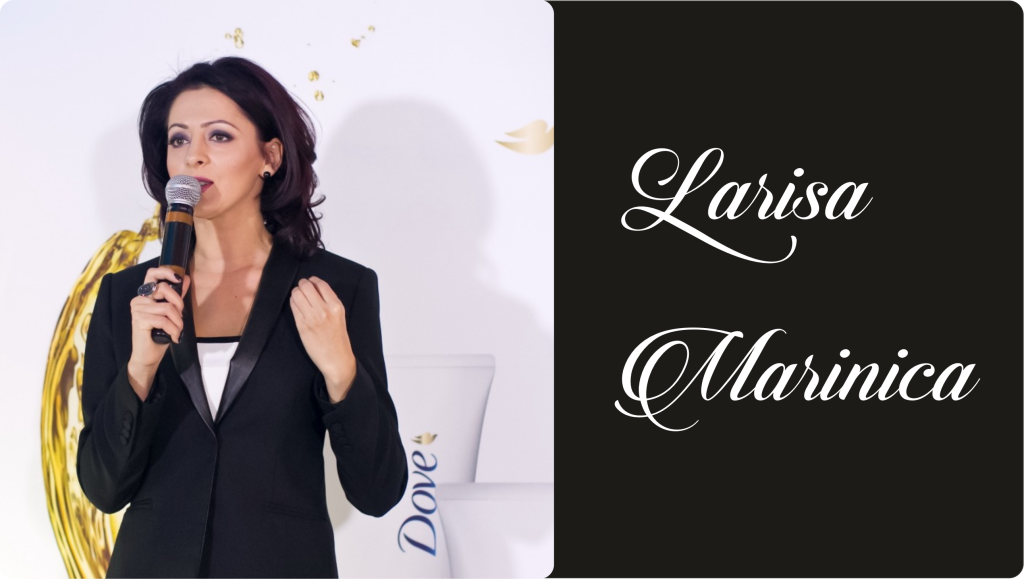
With over two decades shaping some of the world’s most prestigious spa and wellness destinations — from the serene shores of Sharm El Sheikh to the elegance of Geneva and the innovation of Doha, Larisa Marinica has become a guiding voice in global wellbeing.
A physiotherapist by training, a yoga teacher by passion, and a spa director by vocation, Larisa’s journey is one of continuous growth, compassion, and purpose. Her leadership philosophy blends science with soul, creating environments where both guests and teams can truly thrive.
In this exclusive conversation, Larisa shares her insights on the evolution of wellness, the art of mindful leadership, and how true wellbeing begins with transformation from within.
- Your wellness journey spans over two decades and several continents.
What first inspired you to pursue a career in the spa and wellness industry, and how has your vision of wellbeing evolved over time?
My journey into wellness began as spa therapist with Marriott Jordan with a deep curiosity about human potential — how people heal, transform, and reconnect with themselves. What started as an interest in hospitality and the art of care soon evolved into a true calling. Over the years and over 12 countries experienced, working across different cultures and continents, I realized that wellness is far more than treatments or spaces — it’s about creating moments of genuine human connection and inner balance. My vision of wellbeing has evolved from seeing it as a service to understanding it as a philosophy of living — one rooted in awareness, authenticity, and purpose. I have currently settled in Romania, being the founder of www.wellness4people.com helping and shaping the wellness market in my own country and not only.
- You’ve led some of the world’s most prestigious spa brands from Four Seasons to Raffles and One &Only. What key leadership lessons have you learned from managing wellness teams across such diverse cultures and environments?
Leading teams across cultures has been one of my greatest teachers. It taught me that leadership in wellness is not about control, but about connection. Every culture brings its own rhythm, wisdom, and approach to care, and the most successful leaders are those who listen deeply and create environments where people feel seen, safe and valued. I’ve learned that consistency of vision and flexibility of method are essential — to uphold standards while embracing diversity. Above all, leading in wellness requires empathy, trust, and the ability to inspire others to live the very values we promote to our guests.
- You’ve been deeply involved in global initiatives such as Global Wellness Day and the Global Mentorship Program. What motivates you to dedicate time to these voluntary projects, and what impact have you seen them create in the industry?
These initiatives remind me why I fell in love with this industry in the first place — because wellness is about giving back. Global Wellness Day and the Global Mentorship Program create bridges between people, ideas, and generations. My motivation has always been to contribute to a collective vision where wellness is accessible, inclusive, and transformative. Through mentorship, I’ve witnessed incredible growth in young professionals — not only in skill but in confidence and self-belief. The greatest impact has been seeing how shared purpose can elevate an entire industry when people support each other with authenticity and generosity.
- Wellness is often about transformation for guests, but also for leaders. Can you share a personal or professional experience that profoundly changed your understanding of what true wellbeing means?
There was a moment in my career when I realized that while I was helping others find balance, I had lost touch with my own. That turning point taught me that leadership in wellness must come from a place of personal alignment. True wellbeing isn’t perfection or constant calm — it’s the ability to remain centered amid change. I learned to slow down, to listen to my intuition, and to lead from presence rather than pressure. That experience reshaped not only how I live but how I design wellness spaces and mentor others — from a place of wholeness, not just performance.
- Over the years, you have not only managed spa operations but also nurtured and developed professionals in the wellness industry. What’s your philosophy when it comes to leadership and empowering your teams?
My leadership philosophy is rooted in authenticity and service. I believe great leaders don’t create followers — they create other leaders. In the wellness world, this means cultivating environments where people feel safe to grow, to express, and to connect with purpose. I focus on mentoring through example — by being present, transparent, and compassionate, while also challenging teams to pursue excellence. Empowerment comes when people understand why their role matters, not just what they must do. When a spa attendant, therapist, a receptionist, or a manager feels aligned with the greater mission of healing and care, their energy elevates the entire guest experience. For me, leadership is less about hierarchy and more about harmony — guiding others to discover their own light and share it confidently with the world.
- You’ve guided pre-opening Resort spa projects and created wellness concepts from the ground up. When you’re designing a new spa experience, what are the essential elements that make it truly transformative for guests? You’ve guided pre-opening Resort spa projects and created wellness concepts from the ground up. When you’re designing a new spa experience, what are the essential elements that make it truly transformative for guests?
A transformative spa experience begins with a story — a sense of place and purpose that resonates with the guest’s emotions. My process always begins with intention: what feeling do we want to evoke? Every detail — the architecture, scent, lighting, rituals, and flow — should align with that intention. Beyond the aesthetics, it’s the energy of the team that makes the difference. When therapists, receptionists, and leaders embody mindfulness and care, the experience becomes alive. Finally, I believe a spa should offer integration — small but powerful tools that guests can carry home, turning a temporary escape into a lasting state of wellbeing.
- As a woman leader in hospitality and wellness, what challenges have you faced in breaking boundaries, and how have you used those experiences to mentor others?
Like many women in leadership, I’ve had to navigate expectations and perceptions — proving that empathy and intuition are not signs of weakness, but strengths that bring depth to leadership. Balancing vision with vulnerability taught me to lead with authenticity. I now mentor others, especially young professionals, to trust their voice, honor their values, and redefine success not by hierarchy, but by impact. My goal has always been to empower others to lead from a place of purpose and compassion — because that’s where real transformation begins.
- The industry is shifting toward emotional and mental wellbeing, not just physical health.How do you see the future of wellness evolving in the next five to ten years, especially in luxury hospitality?
I believe we are entering the era of conscious luxury. Guests are no longer seeking excess, but meaning. The future of wellness lies in creating spaces and experiences that nurture emotional resilience, mindfulness, and authentic human connection equally being helped by VR. Integrative approaches — combining ancient wisdom with modern science — will define the next decade. Personalized wellbeing journeys, nature integration, digital balance, and emotional education will become core pillars. Luxury hospitality will evolve from “beautiful places” to transformative sanctuaries, where wellbeing becomes a way of living, not just a service.
- You’ve trained and inspired spa professionals globally. What qualities do you believe define the next generation of spa and wellness leaders?
The next generation of wellness leaders will be defined by emotional intelligence, authenticity, and adaptability. Technical skill and business acumen will always matter, but the heart of leadership will be empathy, presence, patience and the ability to inspire growth in others. They will see wellness not as a trend, but as a human responsibility. These leaders will create cultures where teams feel valued and guests feel truly seen — blending purpose with performance, and intuition with innovation.
- Beyond your professional accomplishments, what personal rituals or wellness practices keep you grounded, balanced, and inspired in such a dynamic career?
My daily rituals are simple yet sacred. I start each morning with mindful breathing or a short yoga practice to set my energy for the day. Being myself a trained Yoga teacher I understood the importance of taking the time to decompress and align my mind with body and soul too. I spend time in nature whenever possible and with furry buddies (I am the proud mom of a cat & dog ) — it’s where I reconnect with love, clarity and gratitude. Reflection and DYI home projects help me process experiences, while regular digital detoxes keep me centered.
Above all, I prioritize authenticity in my family & friends relationships and work — surrounding myself with people and projects that align with my values. Wellness, for me, is not a destination but a daily practice of presence, gratitude, and purpose.
Larisa Marinica’s journey reminds us that wellness is far more than a service — it’s a philosophy of living with awareness, purpose, and heart. Through her leadership, teaching, and compassionate presence, she continues to bridge cultures and inspire transformation in people and places alike. Her message is simple yet profound: when we nurture balance within ourselves, we create the capacity to uplift others. And that, she believes, is where true wellness begins — not as a destination, but as a lifelong journey of connection, growth, and grace.
